
Life science museums have always been more than just collections of specimens: think of them as the universe’s flashy storefronts, showcasing the wonders of biology and evolution. From dinosaur bones to the tiniest microbes, these museums help us connect with the intricate web of life. But let’s be honest: without a little pizzazz, they risk ending up as dusty archives. Luckily, that’s changing. With the rise of innovative technology and interactive exhibits, today’s life science museums are reimagining what it means to educate and inspire. So, grab your lab coat (or at least your sense of curiosity) as we explore the evolution of these fascinating institutions.
Historical Context of Life Science Museums
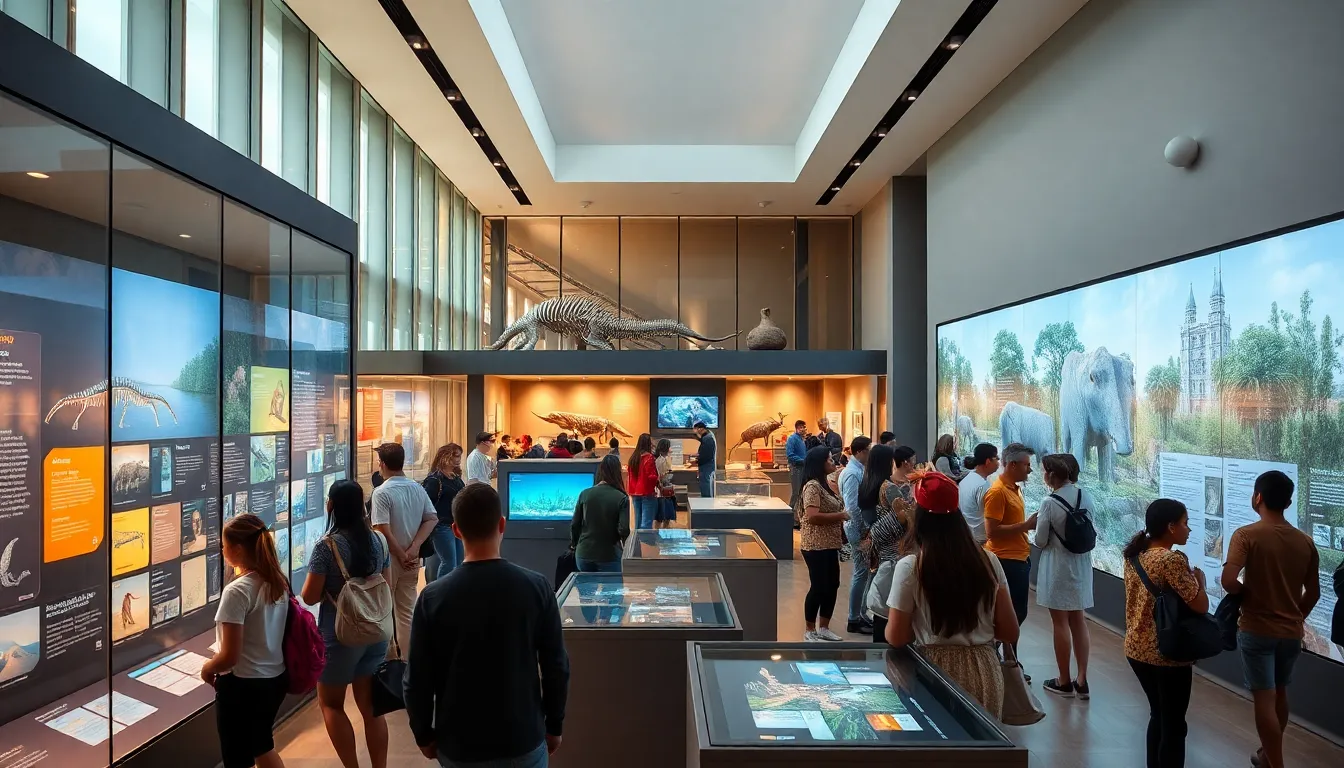
Life science museums have a rich tapestry woven throughout human history. They began as simple collections of curiosities, often held by wealthy individuals. In the 18th and 19th centuries, these repositories evolved into formal institutions, reflecting the scientific advances of their times.
Key Milestones in Museum Development
One key milestone occurred with the founding of the British Museum in 1753, which showcased not just art but elements of natural history. Later, in 1851, the Great Exhibition in London highlighted advancements in various fields, influencing the creation of dedicated science museums worldwide.
In the 20th century, life science museums began to focus on public education, using their exhibits to foster a wider understanding of biology and ecology. Today, they serve as essential hubs for research and community engagement, blending academia with accessible education.
Evolutionary Themes in Exhibits
The evolution of life science museums is not just historical: it’s evident in their thematic exhibits as well. Complex evolutionary themes are integral to understanding the diversity of life on Earth.
Integration of Technology in Exhibits
Technology has become a game-changer. Modern museums now incorporate augmented and virtual reality to bring the past to life. Imagine walking through an interactive exhibit where you can see prehistoric creatures in their habitats. Not to mention, the data visualization tools help simplify complex concepts, making them accessible to everyone, from kindergarteners to keen science enthusiasts.
Interactive Learning Experiences
Speaking of engagement, interactive exhibits have taken center stage. Gone are the days of merely gazing at stuffed animals behind glass. Nowadays, visitors can participate in hands-on experiments, multimedia presentations, and even citizen science projects, where they contribute to scientific research. It’s all about bridging the gap between theory and practice.
The Role of RedWebzine in Promoting Life Science Museums
As the digital age progresses, platforms like RedWebzine play a pivotal role in promoting life science museums. By curating content that highlights museum initiatives, they bridge the gap between institutions and the public.
Featured Articles and Insights
Each article featured on RedWebzine provides insights into current research trends, exhibit launches, and interviews with curators. These articles often spotlight cutting-edge exhibits, fostering a greater appreciation for life sciences among readers. By connecting content with curiosity, RedWebzine ensures that life science museums stay relevant in an increasingly digital world.
Collaboration with Museums
Collaborative efforts between RedWebzine and museums have led to innovative programming. For instance, webinars and virtual tours allow audiences to experience museum exhibits from anywhere. These collaborations extend beyond mere promotions: they build a community of advocates for science education.
Future Trends in Life Science Museums
As we step into the future, the landscape of life science museums will continue to evolve, embracing emerging trends. Sustainability and community engagement will take center stage.
Sustainability and Conservation Efforts
With environmental concerns rising, many life science museums are implementing sustainable practices. From energy-efficient installations to eco-friendly materials in their exhibits, they are demonstrating a commitment to conservation that goes beyond the science on display. By educating visitors about biodiversity and conservation, museums can inspire collective action for a healthier planet.
Enhancing Visitor Engagement
Also, enhancing visitor engagement will remain paramount. Expect to see more personalized experiences using AI and data analytics to tailor exhibits to individual interests. Interactive workshops, immersive storytelling, and diverse programming ensure that every visitor finds something to spark their curiosity. Because in today’s fast-paced world, keeping attention is an art, and life science museums are becoming masters of it.